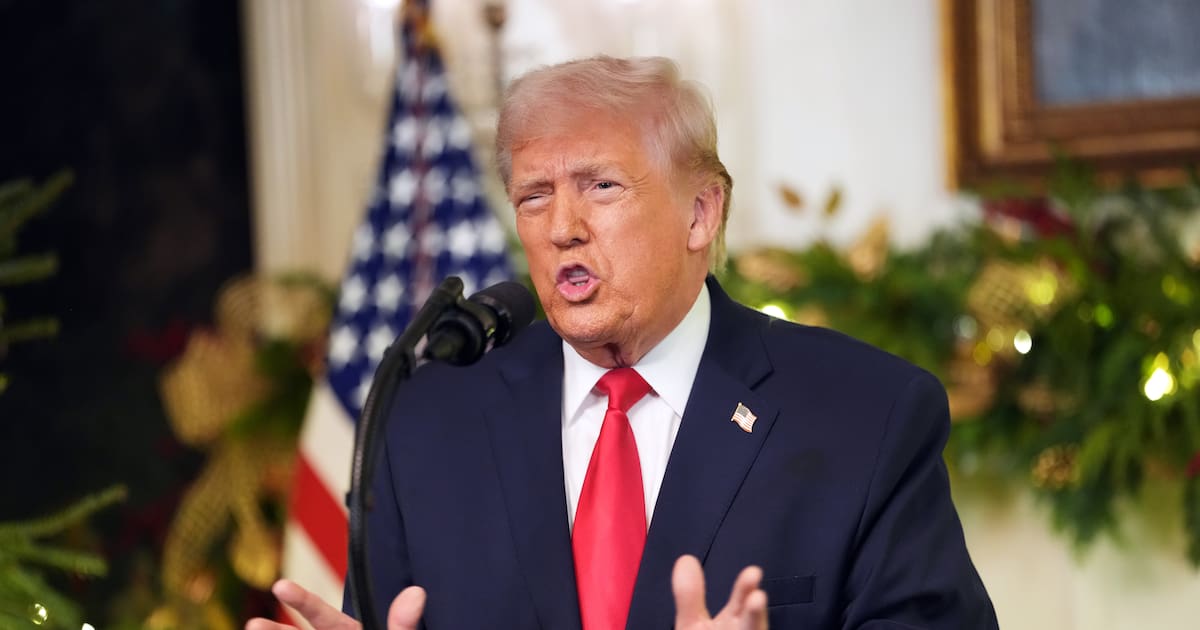
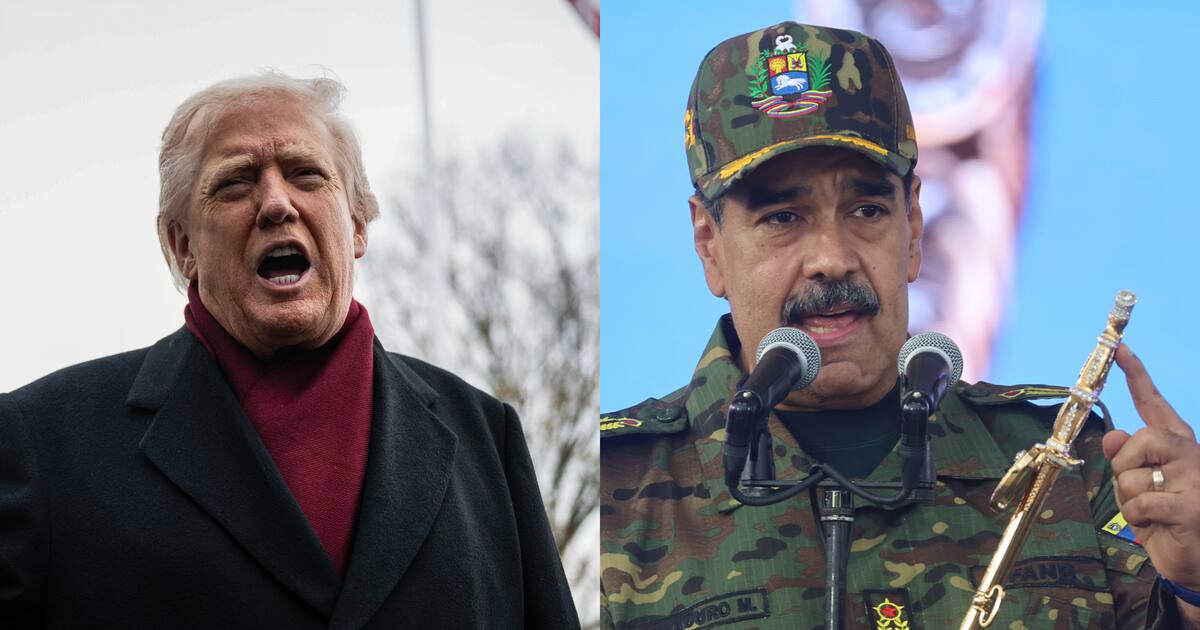
U.S. President Donald Trump publicly confirmed that U.S. forces carried out an attack against what he described as a major drug‑trafficking facility in Venezuela, referring specifically to a dock or coastal installation he said "no longer exists." Opposition and government‑aligned narratives alike report that this operation is framed by Washington as part of an anti‑narcotics campaign targeting infrastructure allegedly tied to Venezuelan‑linked trafficking networks. Both sides agree that the strike, if fully verified, would mark a departure from prior U.S. anti‑drug actions that have mostly taken place in international waters, and that key military institutions such as the Pentagon, as well as Venezuelan authorities in Caracas, had not yet formally confirmed operational details at the time of reporting.
Across coverage, there is broad acknowledgment that this episode unfolds against a long‑running backdrop of U.S. accusations that senior figures in the Venezuelan state are involved in or protect drug‑trafficking operations, and of Washington’s use of sanctions, indictments, and diplomatic isolation as pressure tools. Media on both sides situate the claimed strike within the institutional framework of U.S. anti‑drug policy in the region and the fraught bilateral relationship between Washington and Caracas, noting previous U.S. naval deployments in the Caribbean and prior rhetoric about a "narcoterrorism" threat. There is also shared reference to Trump’s recent but unproductive communication with President Nicolás Maduro, placing the event in a broader context of stalled political negotiation, deteriorated trust, and ongoing regional debates about sovereignty, intervention, and the use of force under the banner of counternarcotics.
Points of Contention
Legality and sovereignty. Government‑aligned coverage is likely to frame the reported U.S. strike as an illegal act of aggression that violates Venezuelan sovereignty and customary international law, emphasizing the absence of United Nations authorization or bilateral consent. Opposition outlets instead tend to describe the action as a counternarcotics measure tied to long‑standing criminal accusations against the Maduro leadership, downplaying or reframing sovereignty concerns as secondary to combating organized crime. While pro‑government narratives stress the risk of escalation and precedent for foreign intervention, opposition reporting more often highlights the symbolic importance of the United States being willing to hit assets allegedly used by regime‑linked trafficking networks.
Nature of the target and evidence. Government‑aligned sources are poised to question whether any drug facility existed at the claimed location, casting doubt on U.S. intelligence and depicting the announcement as propaganda or psychological warfare. Opposition coverage, drawing on U.S. officials and outlets such as the New York Times, treats the existence of a drug production or trafficking site as plausible or likely, even as it acknowledges that neither the Pentagon nor Caracas has released detailed, independent proof. The former stresses the lack of verifiable imagery, on‑the‑ground inspections, or third‑party confirmation, whereas the latter treats official U.S. briefings and patterns of alleged cartel activity as sufficient prima facie support.
Motives and political framing. Government‑aligned narratives present Trump’s confirmation as politically motivated, portraying it as a bid to shore up domestic support, distract from U.S. problems, or justify a broader destabilization campaign against Maduro. Opposition coverage situates the move within a continuum of pressure tactics against what it characterizes as an authoritarian regime implicated in transnational crime, seeing the attack as consistent with previously announced anti‑drug operations. Where pro‑government outlets emphasize an imperialist or regime‑change agenda behind the strike, opposition media focus on deterrence, signaling, and the potential weakening of illicit revenue streams for figures close to the Venezuelan state.
Implications for Venezuelan politics. Government‑aligned reporting underscores the attack as a rallying point for national unity against external threats, arguing that U.S. military actions can strengthen Maduro’s domestic legitimacy and justify tighter security measures. Opposition outlets, conversely, suggest that credible U.S. willingness to hit narcotics infrastructure could increase international pressure on the government, embolden dissident factions, or narrow the regime’s room for maneuver. While pro‑government sources warn of militarization and the closing of diplomatic space, opposition coverage more often speculates that such incidents could eventually push Caracas toward concessions or deeper isolation.
In summary, goverment-aligned coverage tends to portray the reported U.S. attack as an unverified, illegal act of aggression that serves Washington’s geopolitical and domestic political aims, while opposition coverage tends to treat the strike as a credible, if still partially unconfirmed, counternarcotics action that fits a broader strategy of pressuring a regime it links to drug trafficking.