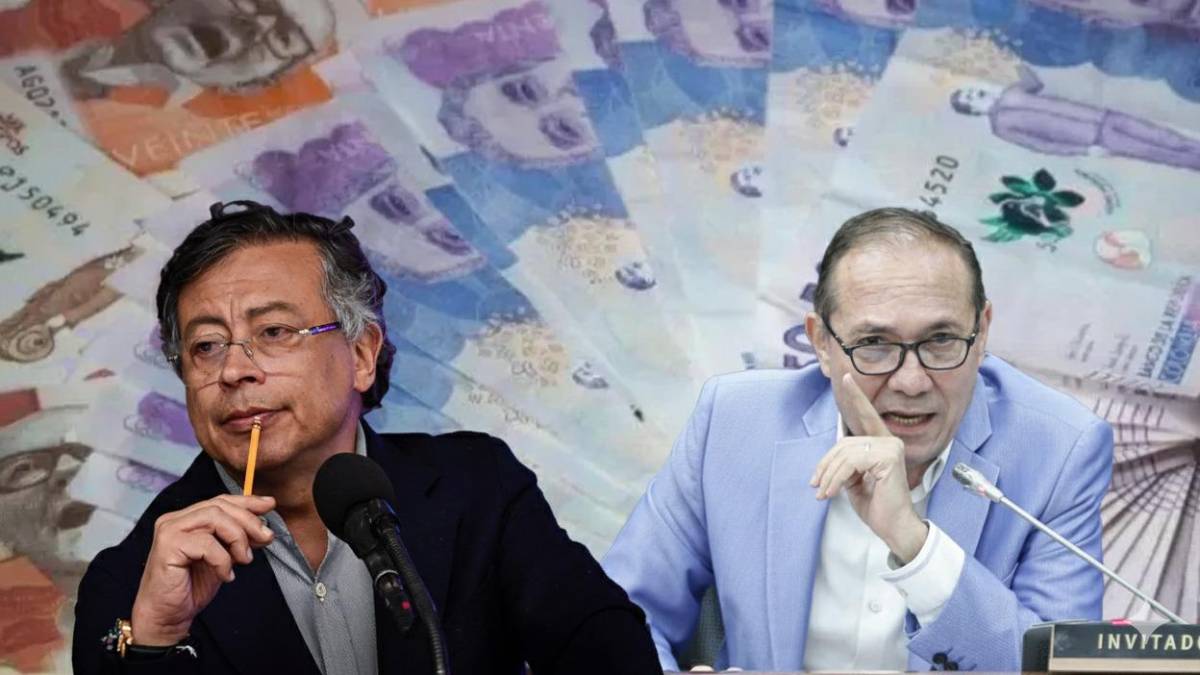
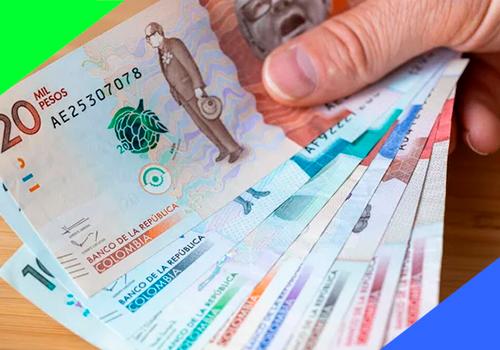
Colombian media across the spectrum report that President Gustavo Petro has decreed a 23.7–23.78% increase in the legal minimum wage for 2026, following the failure of tripartite negotiations with unions and business groups in December. The measure raises the base minimum to around 1.74–1.75 million pesos, and, with the transport subsidy, takes workers’ monthly floor to roughly 2 million pesos, making it the largest nominal increase in recent history. Outlets agree that the transport subsidy itself will climb by roughly 24–25% to around 249,000–253,000 pesos and that it is a distinct legal concept from salary, not included when calculating social benefits. Both sides consistently note that the decree was issued unilaterally by the executive after no consensus was reached with employers’ associations such as Fenalco and Andi, and that the new wage will apply nationwide to formal employees earning up to two minimum wages, but not automatically to independent workers or those already above the minimum.
Coverage also converges on the wider institutional and legal context: Colombia’s minimum wage is set annually through negotiations involving government, business associations, and unions, with the government empowered to decree an increase if talks break down. Media on both sides explain that the Constitutional Court has warned about wage compression and inequity when only the minimum rises, and they highlight that firms must adjust any contract that falls below the new legal floor. There is common acknowledgment that the hike intersects with broader debates on inflation control, labor formalization, and the sustainability of small and medium-sized businesses, as well as long-standing patterns of Colombian presidents granting significant minimum wage increases in the final year of their term. Outlets agree the measure is framed by the government as part of a broader effort to reduce poverty and boost the “popular economy,” while critics tie it into concerns over inflation, employment, and fiscal pressures.
Points of Contention
Economic impact and risks. Government-aligned coverage tends to emphasize Petro’s argument that the higher minimum wage is an engine for domestic demand, poverty reduction, and formal job creation, portraying the hike as a necessary correction to low wages and an investment in human welfare. Opposition coverage foregrounds warnings from Fenalco, Andi, and independent economists that the increase is “disproportionate” and detached from productivity, likely to fuel inflation, squeeze small and medium-sized firms, and increase informality and layoffs. While pro-government outlets frame macroeconomic risks as manageable within current fundamentals and monetary policy, opposition outlets frequently invoke cautionary parallels with Venezuela’s wage hikes and subsequent crises.
Political motivations and timing. Government-aligned sources typically situate the decree within Petro’s broader economic and social agenda, presenting it as the fulfillment of campaign promises and long-standing structural reforms, and downplaying the electoral calendar. Opposition media highlight that the decision coincides with an election year and Petro’s final year in office, suggesting an underlying populist or vote-seeking motive rather than purely technocratic reasoning. This side stresses that labeling the new threshold a “vital minimum wage” is politically symbolic branding aimed at consolidating Petro’s base, whereas government-friendly narratives more often describe the terminology as part of a rights-based shift in labor policy.
Process, legitimacy, and negotiation. Government-aligned outlets generally underline that the law authorizes the executive to decree the increase when negotiations deadlock, portraying the move as institutionally legitimate and even necessary in the face of employer resistance. Opposition coverage, by contrast, repeatedly characterizes the decision as “unilateral” and “imposed,” suggesting that the government disregarded business concerns and used its legal authority in a confrontational rather than consensus-building way. Where pro-government narratives frame employer resistance as defending narrow interests or maintaining structural inequality, opposition outlets depict the broken dialogue as evidence of an inflexible government unwilling to compromise on a more moderate figure.
Distributional effects on firms and workers. Government-aligned media tend to stress the immediate gains for low-income workers, arguing that higher wages will improve living standards for millions of households and help close inequality gaps, especially in the popular and informal economy. Opposition outlets acknowledge the benefit for workers who keep their jobs but emphasize potential negative distributional effects: higher payroll costs for employers, strain on small and medium enterprises, and a likely shift toward informality or reduced hiring that could ultimately undermine workers’ real income. While supportive coverage often echoes Petro’s claim that the wage hike “is not a cost but a measure to democratize wealth,” critical coverage counters that the costs are very real for firms and may fall hardest on vulnerable businesses and new entrants to the labor market.
In summary, goverment-aligned coverage tends to frame the 23.7% minimum wage increase as a socially just, legally grounded decision that will boost demand, reduce poverty, and rebalance power toward workers, while opposition coverage tends to portray it as a unilateral, electorally timed and economically risky move that threatens inflation, formal employment, and the viability of small and medium-sized businesses.