Salario mínimo: los costos ocultos de un aumento desmedido para 2026
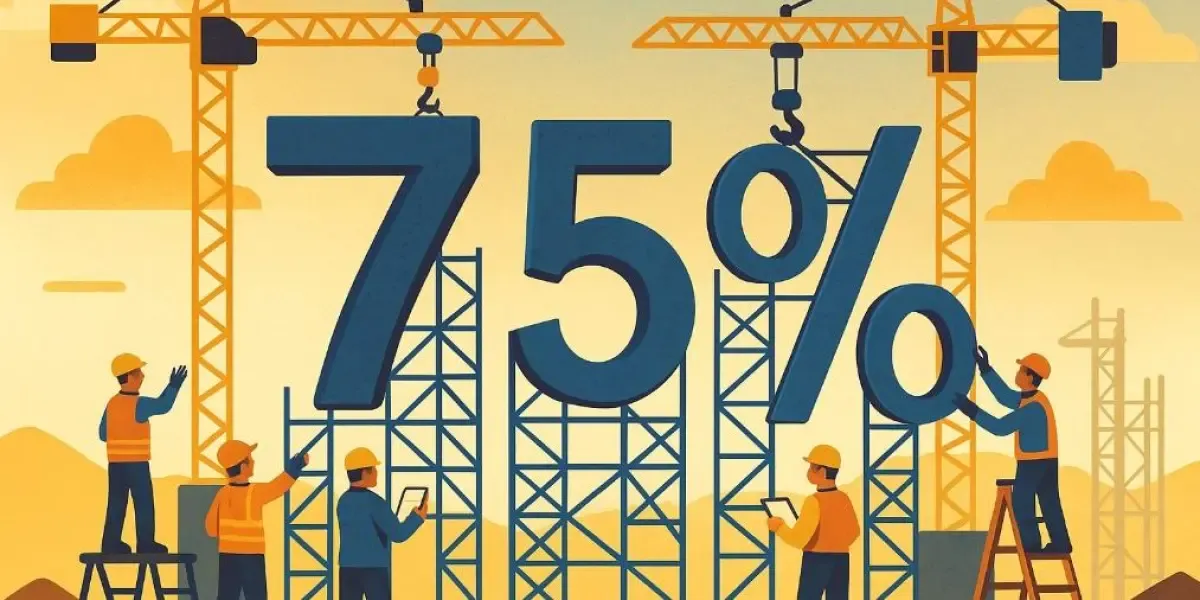
Las discusiones del salario mínimo comenzarán en diciembre. Foto: Imagen generada con Inteligencia Artificial - ChatGPT
TL;DR
- Colombia's minimum wage increase is a contentious issue due to inflation, low productivity, and fiscal limitations.
- The government has indicated a potential 11% increase by 2026.
- Anif warns that disproportionate wage hikes could cause a domino effect on public accounts, employment, and macroeconomic stability.
- Wage adjustments should ideally align with inflation and productivity to maintain purchasing power without harming competitiveness.
- Inflation has shown a slight rebound, and labor productivity has declined.
- Each percentage point increase above the inflation-plus-productivity benchmark costs the state approximately 0.24 trillion pesos.
- A wage increase exceeding 7.5% could strain public finances, increase informality, and reduce formal job creation.
- The pension system, particularly minimum pensions indexed to the minimum wage, is a major factor influencing public spending due to wage hikes.
- Anif recommends a reference increase of 7.54% (inflation plus productivity) to preserve purchasing power and economic stability.