economy
diciembre 22, 2025
La ofensiva arancelaria de Trump sacude el comercio mundial y presiona los precios en EE. UU.
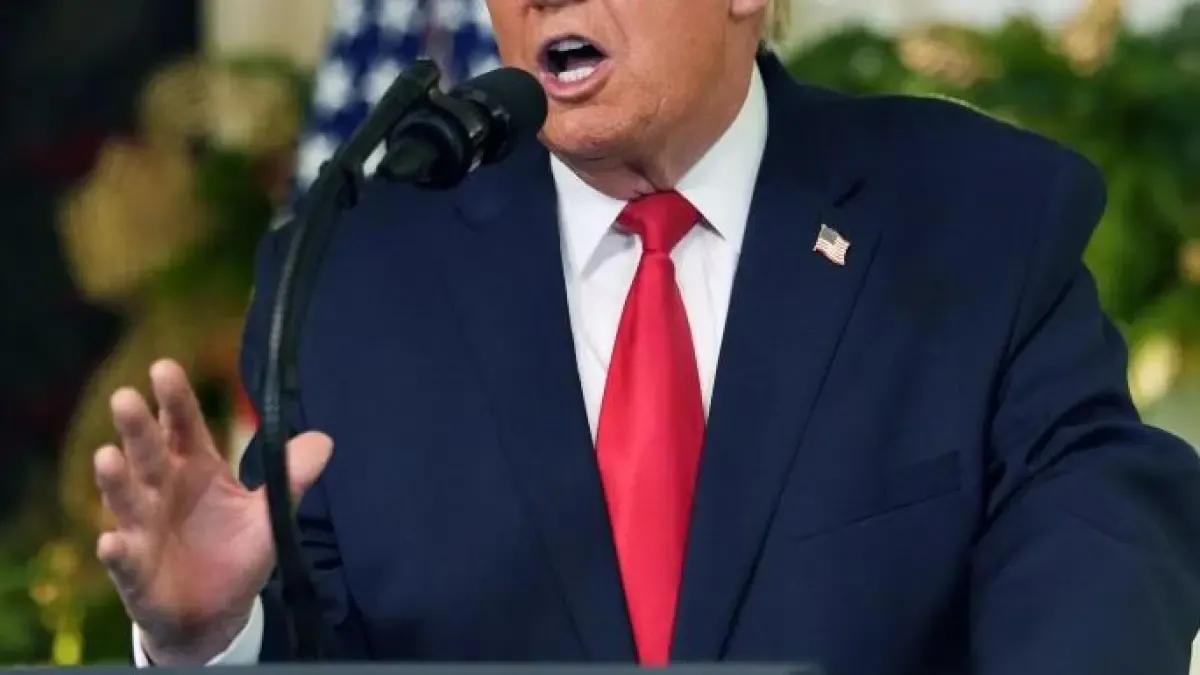
Donald Trump, presidente de Estados Unidos Foto: AFP
TL;DR
- The trade war initiated by President Donald Trump has caused global market instability and altered economic relationships.
- New tariffs were imposed with the stated goals of reducing the US trade deficit, increasing tax revenue, and encouraging domestic manufacturing.
- Tariffs were applied to over 180 countries, with additional 'reciprocal' taxes impacting nations with significant trade surpluses with the US.
- Partial retreats and bilateral negotiations led to agreements with several major economies, including the EU and Japan, involving purchases of US goods and investments.
- The trade dispute with China escalated significantly, with substantial reciprocal tariffs imposed on each other's products.
- A tariff truce was reached between the US and China, reducing but not eliminating trade frictions.
- Analysts suggest the agreements only postpone underlying issues, potentially leading to a division into US and China-centric economic blocs.
- The trade confrontation has macroeconomic consequences, including warnings of lower global growth and supply chain realignments.
- The World Trade Organization lowered its global trade growth forecast, and its head described the multilateral system as facing its most difficult period in 80 years.
- Tariffs have also been used as a political pressure tool against countries like China, Mexico, India, and Brazil for various reasons beyond direct trade imbalances.