El 'fracking' sería una vía rápida para recobrar autosuficiencia energética y atajar el déficit fiscal
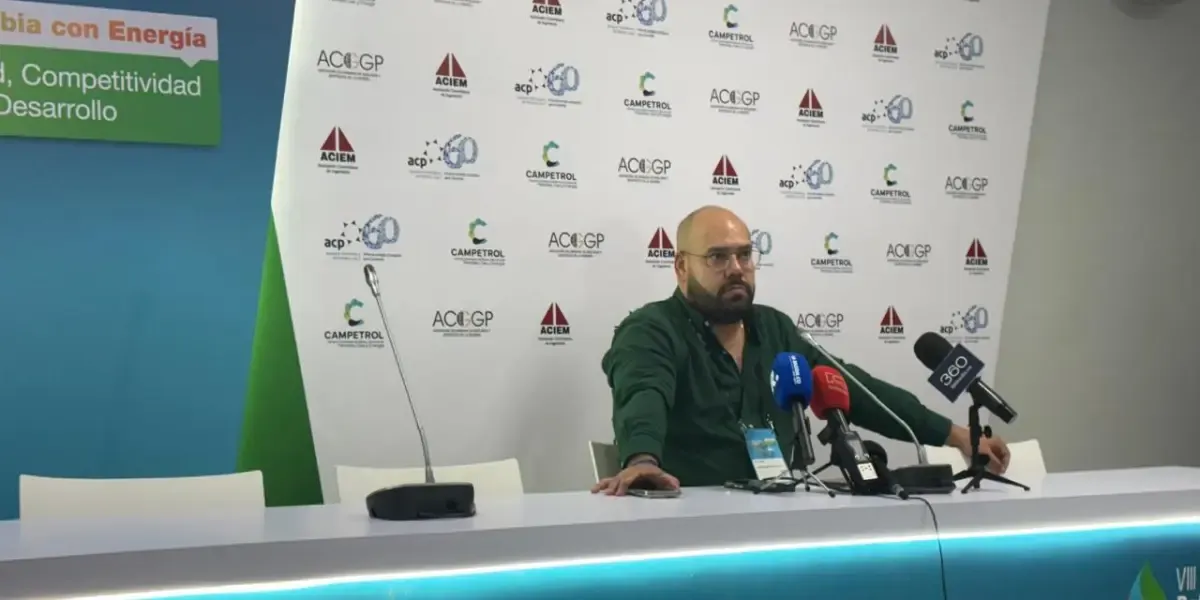
Flover Rodríguez, presidente de la Asociación Colombiana de Geólogos y Geofísicos de la Energía habló sobre el fracking. Foto: Cortesía: Portafolio
TL;DR
- Industry voices at the VIII Summit of Oil, Gas, and Energy highlighted Colombia's urgent need for hydrocarbons.
- The implementation of hydraulic fracturing (fracking) is proposed as a rapid way to restore energy self-sufficiency.
- Fracking could potentially double oil reserves and quadruple gas reserves.
- The discussion should focus on when, not if, fracking will be implemented, emphasizing pragmatic and quick decision-making.
- Implementing fracking could lead to the delivery of oil and gas within 12 to 18 months.
- Key requirements for fracking include government approval, Congressional legislation, resolution of environmental licensing, and increased investment.
- Restoring corporate confidence is vital for investment in the country's conventional potential.
- The next government needs to ensure clarity and technical expertise within governmental institutions, particularly environmental authorities.
- Expedited and responsible environmental licensing at both national and regional levels is crucial.
- Importing gas could lead to significant price increases for consumers.
- Colombia faces a serious reserve problem with only 7.1 years of oil and less than 6 years of gas.
- New contracts have halted, exploration is declining, and drilling rig numbers have decreased.
- Falling production could lead to a fiscal deficit of $40 trillion between 2027 and 2035.
- Structural issues in the gas sector need resolution, including market connection, tariffs, and investment incentives.
- Recent gas import figures highlight a growing deficit that affects households, vehicles, and businesses.