La Navidad diseñada por Rosario Murillo para ocultar una Nicaragua rota por la separación familiar
En Nicaragua, las fiestas de fin de año se celebran entre el desborde lumínico que inunda plazas con estructuras monumentales como parte de la puesta en escena de la Navidad oficialista impuesta por Rosario Murillo, y el apagón emocional de miles de familias fracturadas por la migración forzada, el exilio y la represión. Esta es la otra postal navideña: la de un país fragmentado, con familias que no pueden volver a estar juntas y abrazarse en Nochebuena
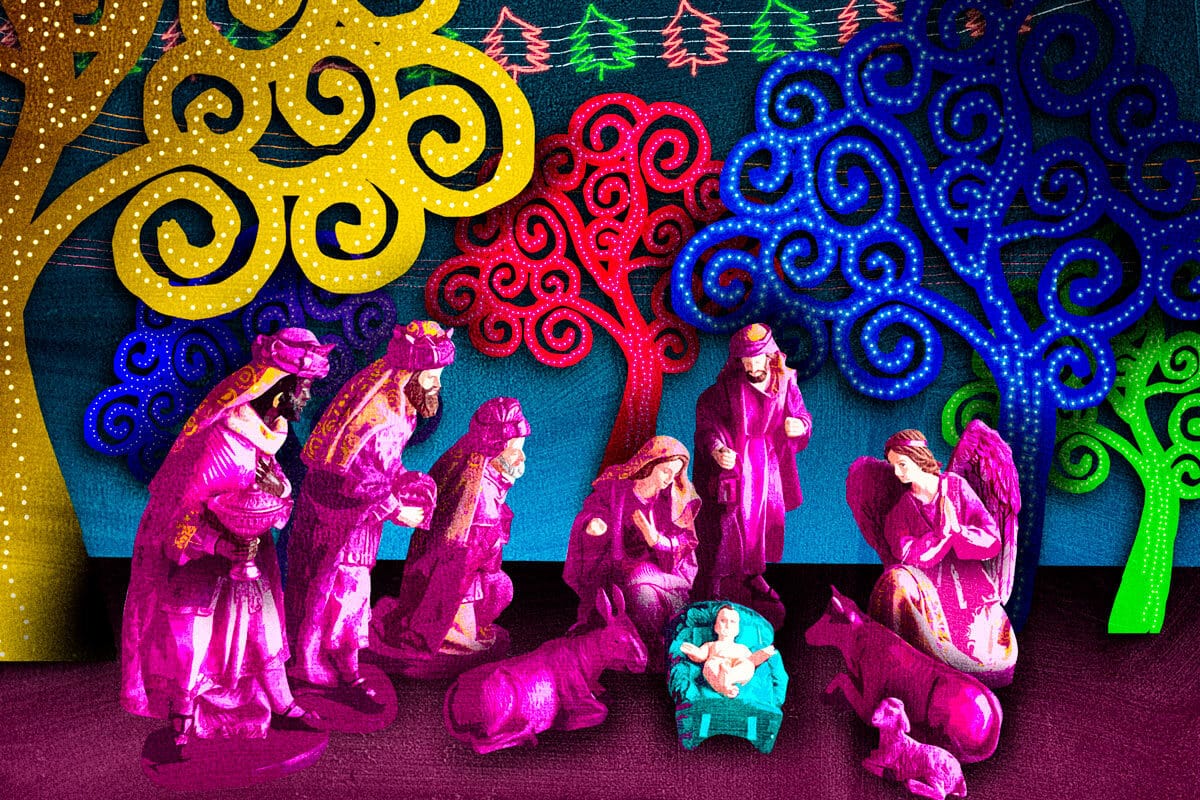
TL;DR
- Official Christmas celebrations in Nicaragua feature monumental structures, intense lights, and esoteric symbols, projecting an image of joy and unity.
- Thousands of Nicaraguan homes face reality fragmented by repression, including forced migration, exile, imprisonment, and disappearances of relatives for political reasons.
- As of December 2025, 62 people are detained for political reasons, with at least 28 forcibly disappeared.
- The 'Trees of Life' decorations, introduced by the Ortega-Murillo regime, are described by a semiotics specialist as containing hidden esoteric symbols like the all-seeing eye and eye of Horus.
- The regime's use of specific colors (fuchsia, gold, purple) in decorations is interpreted as an attempt to project emotional control and institutionalized spirituality.
- The significant public spending on Christmas decorations is questioned by experts, particularly in a context of forced migration, unemployment, and deteriorating basic services.
- Independent observers suggest the regime appropriates popular faith and festive elements for its legitimization narrative, promoting a message of normality that hides structural tensions.
- Political persecution and the prohibition of return have created irreparable distances for many Nicaraguan families, intensifying the impact during the holidays.
- Exiled Nicaraguans are often denied essential documents, leaving them in a state of undocumented status and migratory vulnerability.
- Nicaraguan migration has accelerated since 2018, with an estimated 1.5 million people living outside the country, equivalent to about 22% of the population.