'Fracasó rotundamente el Plan de Caminos Comunitarios, solo se contrató cerca del 10% del presupuesto': CCI
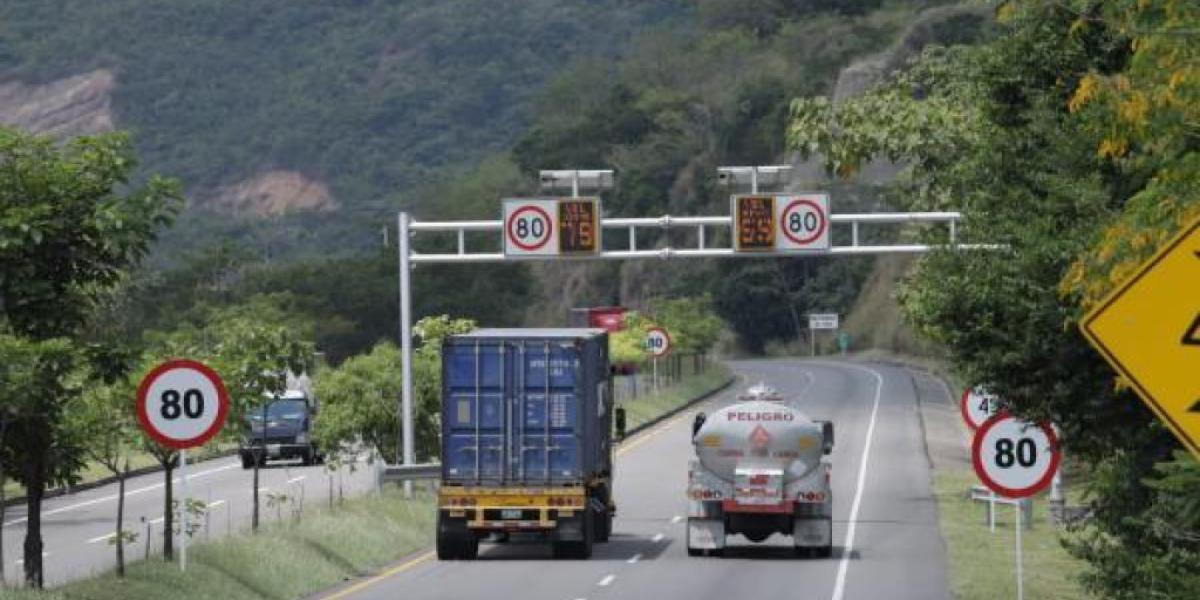
Vías en Colombia Foto: Agencia Nacional de Seguridad Vial
TL;DR
- The infrastructure sector contributes significantly to Colombia's economy, generating productivity, wages, and taxes.
- Over 996,000 direct jobs have been created since 1991, with women occupying 34%.
- Government disbursed 5.2 trillion pesos for DR8 revenue differential and addressed future vigencies payments.
- The National General Budget for Transportation in 2026 is 20.52 trillion pesos, an 18% increase.
- Progress made in normalizing toll tariffs and recovering overdue Invías payments.
- Modifications to standard tender documents and containment of initiatives discouraging private investment.
- Key tenders awarded include the La Dorada–Chiriguaná rail corridor and the El Estanquillo–Popayán highway concession.
- Critical issues remain, including high official turnover, the failure of the tertiary roads plan, and significant losses due to blockades and security threats.
- Potential impact of agricultural ministry restrictions on food production areas and the need for coexistence between development and environmental protection.
- Urgent need to accelerate approval of private initiatives for major projects and secure resources for river navigation and dredging.
- SMEs face challenges with advance payments and payment modalities, and there's a call to halt the abuse of inter-administrative contracts.
- The country should advance in urban and social PPPs for sectors like health, education, and sanitation.