La (pos)verdad es relativa, pero la neta es la neta
Vivimos rodeados de personas que juran defender la verdad: en un mitin, un candidato se apropia de una fecha histórica y la convierte en mito fundacio...
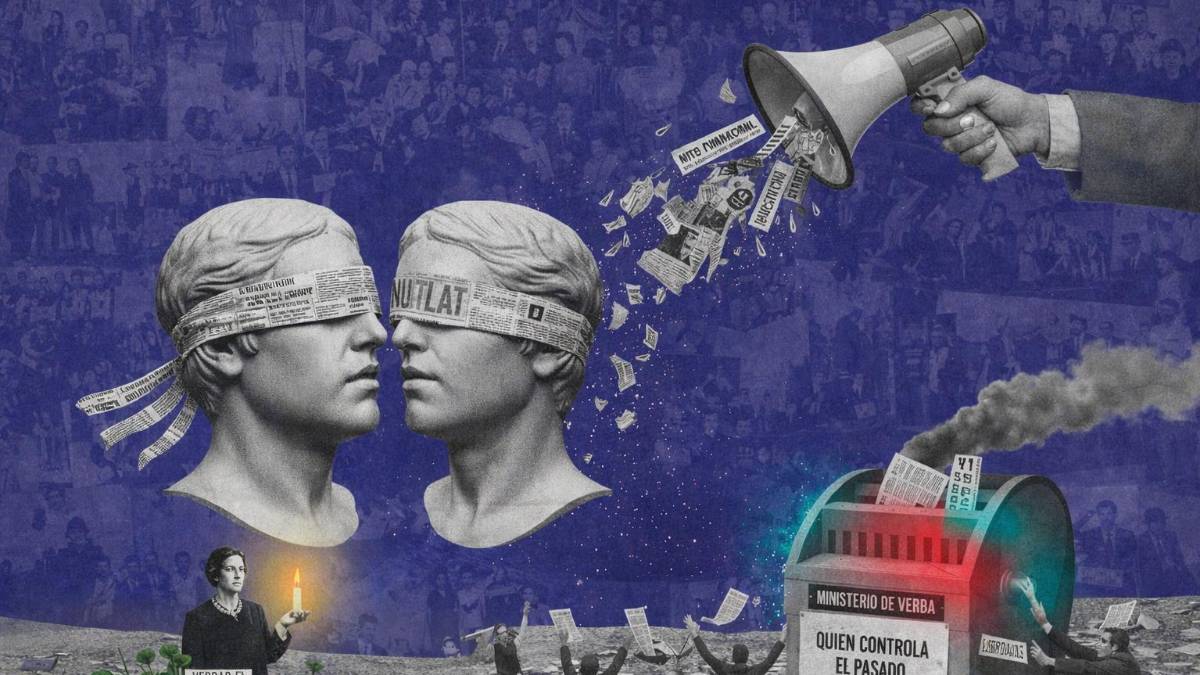
TL;DR
- Narratives and myths are increasingly driving public opinion and political success, overshadowing verifiable facts.
- Politicians reinterpret historical events and statistics to fit their agendas, rebranding negative actions with positive language.
- Public discourse is divided into three levels: verifiable facts, interpretations of those facts, and identity-based narratives.
- The "post-truth" era challenges the agreement on basic facts, making constructive debate difficult.
- Orwell's concept of controlling the past through language and memory is relevant to current political manipulation.
- The abandonment of the idea that history can be written truthfully is a concerning trend.
- Familiarity through repetition, rather than truth, often leads to belief in falsehoods.
- Relativism is presented as freedom, allowing "any barbarity" to be defended as a personal version of facts.
- Political narratives offer explanations, assign blame, and promise redemptive endings, which facts often cannot.
- Factual truth is less appealing because it is complex, requires nuance, and admits fault, while narratives are more emotionally engaging.
- The truth is not dead but in "intensive care," surviving in archives, scientific reports, and the work of dedicated professionals.
- Defending truth involves valuing nuances, distrusting simplistic narratives, caring for language, and supporting verification institutions.