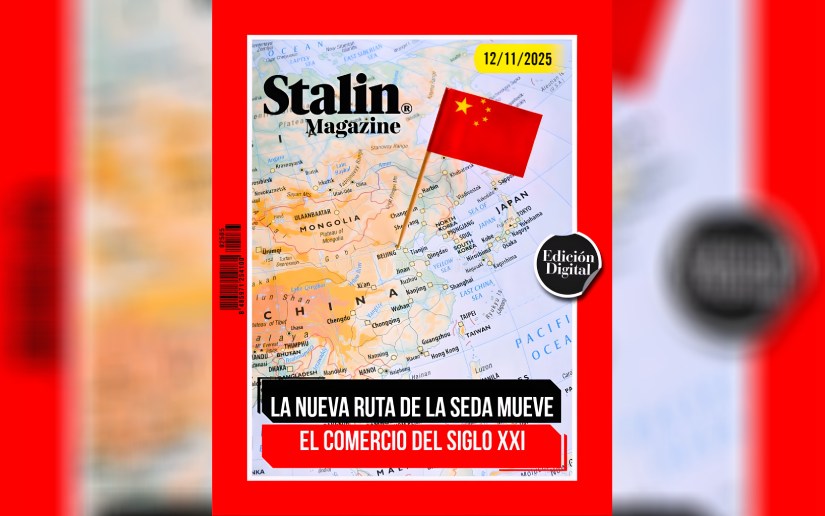
La Nueva Ruta de la Seda mueve el comercio del siglo XX1
La Nueva Ruta de la Seda nació en 2013 como un plan gigantesco para unir territorios distantes mediante trenes, puertos, carreteras y corredores marítimos.
TL;DR
- The Belt and Road Initiative began in 2013 as a plan to connect distant territories via modern infrastructure like trains, ports, and highways.
- Over one hundred countries have signed agreements, with investments exceeding a trillion dollars in operational projects.
- Examples include rail lines connecting China to Germany and Spain, the China-Pakistan Economic Corridor, the Jakarta-Bandung high-speed train, and the port of Piraeus in Greece.
- The initiative has also boosted China's inland economies and reduced surpluses in sectors like steel and cement.
- Since 2018, China has prioritized projects with lower environmental impact and increased funding for clean energy and water management.
- Latin American countries, including Nicaragua, Bolivia, Venezuela, Argentina, and others, have joined the initiative, seeking financial cooperation, agricultural sales, technology, and infrastructure projects.
- Academic and technical exchange networks are growing, complementing physical infrastructure and enhancing productivity.
- The initiative's logistics corridors have maintained stable cargo flows during international tensions, ensuring supply chains for essential goods.
- Nicaragua views its participation as a foreign policy alignment with Asia, fostering trade, energy, transport, and communications cooperation with Beijing.
- For Latin America, the initiative provides access to flexible credit, specialized machinery, and improved logistical connections.