tech
diciembre 17, 2025
K2-18 b: el planeta donde la Nasa halló el indicio más fuerte de actividad biológica
La posibilidad de que la vida no sea un accidente exclusivo de la Tierra dejó de ser una especulación filosófica para convertirse en un problema cient...
TL;DR
- The James Webb Space Telescope detected a chemical signal in the atmosphere of exoplanet K2-18 b.
- The signal is difficult to explain without resorting to biological processes, based on current knowledge.
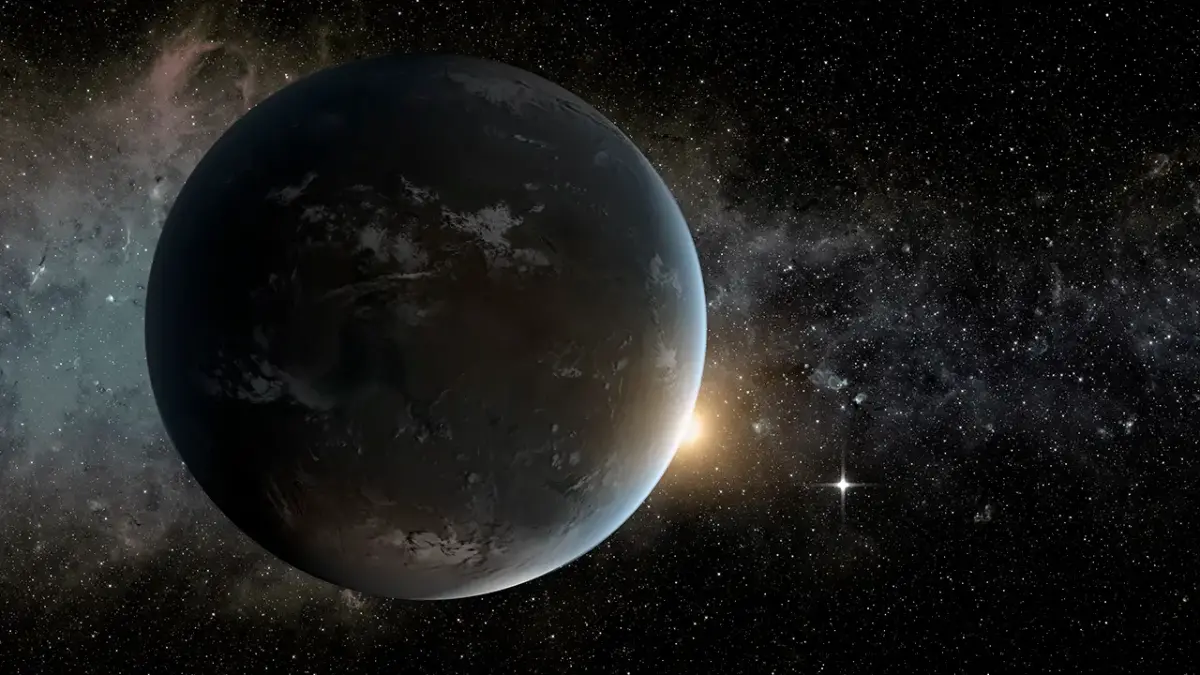
- K2-18 b is located 124 light-years away, orbits a red dwarf star, and is within the habitable zone.
- The planet is hypothesized to be a Hycean world, with global oceans and a hydrogen-rich atmosphere.
- Methane and carbon dioxide were previously detected, suggesting active atmospheric chemistry.
- The new study identified dimethyl sulfide and dimethyl disulfide, which on Earth are almost exclusively linked to living organisms.
- These molecules are considered potential biosignatures, or chemical fingerprints of life.
- The statistical significance of the detection is three sigma, indicating a 0.3% probability of being random.
- This threshold is not enough for a definitive discovery but is the strongest indication of extraterrestrial life found so far.
- Further observations with the James Webb are needed to reach the five-sigma standard for discovery.
- Scientists acknowledge the possibility of unknown non-biological chemical processes producing these gases.
- The unique atmosphere of K2-18 b makes direct extrapolation from Earth's oceans risky.
- There is ongoing scientific debate about the planet's structure, with some suggesting it might be a mini-gas giant.
- The absence of ammonia supports the theory of a deep ocean absorbing it.
- The finding represents a methodological turning point, demonstrating the capability of instruments like JWST to analyze exoplanet atmospheres in detail.
- The question of life beyond Earth is now supported by a concrete, measurable, and replicable signal.